
Mukhwas: Benefits, Types and Why Indians Eat It After Meals
Jul 08, 2026
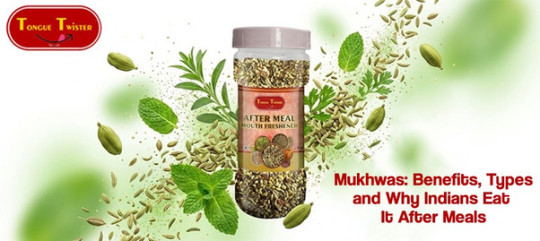
Mukhwas is far more than just a minty treat to eat after dinner in Indian food culture; it's a tradition that has been passed down from generation to generation and enjoyed for its refreshing flavour, ability to aid in digestion and variety of flavours. You can find mukhwas served after lunch at home, served at weddings, or offered at restaurants as part of an Indian meal.
Mukhwas is eaten by everyone across India from North India and Gujarat after meals to help with digestion and fresh breath. Cities, such as Ahmedabad, have strong food culture traditions so mukhwas continues to be a commonly found household essential in the city today. What started to be a simple blend of spices, herbs, and seeds has morphed into numerous unique flavours, making mukhwas one of the most popular digestives in all of India.
What is Mukhwas?
Mukhwas is an Indian mouth freshener that is traditionally taken after meals. The actual meaning of mukhwas comes from combining the two Hindi words: “mukh” meaning mouth and “vas” meaning odour; which together create something that gives an odour to the mouth.
Traditionally, mukhwas was made with fennel, sesame, and coriander seeds, betel nuts, sugar coated seeds, coconut flour, and spice blends known for aiding digestion. Today, there are many newer versions that include things like tamarind, mint, dried roses and dried fruits.
The Usefulness of Mukhwas - Mukhwas allows great flavor and purpose as it not only freshens your breath, but also aids digestion, making it a popular post-excessive meal addition.
Reasons Why Mukhwas are Served After a Meal ?
Eating mukhwas after a meal has been done for many years in India and is especially common in Gujarat and Rajasthan where most meals are prepared with rich spices and oils.
The primary reason people eat mukhwas after they have eaten is to relieve digestive discomfort or to aid with digestion. Common mukhwas ingredients, such as fennel seeds, cumin, sesame and ajwain, all have properties that support digestion and provide relief from bloating and stomach discomfort as well as overall improvement in digestion.
Another benefit of mukhwas is that it helps remove the smell and taste of strong-flavored foods and leaves you with a pleasant taste in your mouth.
In Gujarat, it is customary for hosts to provide guests with mukhwas as a sign of hospitality; you will find traditional mukhwas varieties in most homes and in most grocery stores in Ahmedabad in the form of local Indian sweets (or mithai) and in grocery stores that sell food.
Mukhwas Benefits You Should Know
In addition to being known as a mouth freshener, mukhwas is widely consumed for its health benefits; here are some of those benefits.
Mukhwas, or Indian mouth-freshening products, help to improve digestion naturally. Fennel seed is one of the ingredients that make up mukhwas and it helps to enhance the secretion of digestive enzymes, allowing the body to process food more easily and also reducing the sensation of heaviness that may follow eating a meal.
Many of the ingredients that go into making mukhwas (such as cumin and ajwain) have been used by Indian families for many years to ease bloating and gas discomfort.
Mukhwas are also ideal for freshening one's breath due to their natural ingredients. Unlike chewing gum and commercially-produced mints, mukhwas provide a mild and refreshing flavoring agent without being artificially flavored.
Types of Mukhwas in India
India has a number of mukhwas with various styles from region to region; some are sweet, some are spicy, and others are primarily for facilitating digestion.
For example, one of the most popular types of mukhwas, saunf mukhwas is consumed throughout India because it has a sweet and refreshing taste.
Another very widespread type of mukhwas is pan mukhwas, which is based on the taste of betel leaf. It has a very strong and cooling taste, which makes it appealing to use as a mouth refresher.
People like imli mukhwas because it is sweet and also acidic. The combination of tamarind with various spices which help with digestion, makes this type of mukhwas a favourite for many who enjoy chatpata (spicy) food.
Another type of mukhwas is til mukhwas which has sesame seeds as its main ingredient, and comes from the state of Gujarat. This type of mukhwas has a nutty flavour and contains a mixture of sweet and salty tastes.
The most expensive type of mukhwas is dry fruit mukhwas; it contains a combination of mixed nuts (almonds and cashews), raisins, and other nuts; it is becoming very popular for gifting and during festive occasions.
Why Gujarati Mukhwas is So Popular
Gujarat is the capital of all things mukhwas; it is home to many different types of mukhwas that are well made with high-quality ingredients; they are all made with love and care.
Gujarat is where people eat mukhwas not just on special occasions (festivals), but at home every single day; it is an everyday thing to keep a jar of mukhwas at home and have it after every meal.
Ahmedabad, which is one of the food capitals of Gujarat, has a huge market place for traditional mukhwas; local shops and online shops have a growing demand for real Gujarati mukhwas.
The reason Gujarati mukhwas are so popular is the food culture of this region; people here enjoy a snack that has a good digestible quality as well as full of flavour.
Selecting the Right Mukhwas
There are a lot of options when selecting a mukhwas; hence it is crucial that you are clear about your personal preference and reason for selecting the mukhwas.
If you are looking for a mukhwas primarily for digestion, then fennel seed- or cumminseed-based mukhwas will usually provide you with the best results. On the other hand, if you are looking for a mukhwas primarily for fresher breath, then pan mukhwas or mint-based mukhwas will provide you with what you are looking for.
If you prefer a bold taste and flavour, imli mukhwas would fit the bill. If you prefer to honour more traditional Gujarati food, til mukhwas and sweet saunf mixes will suit your palate well.
It is always important to buy mukhwas made with natural products and to avoid product brands with excessive artificial colour or preservatives.
Is Mukhwas Better Than Modern-Day Mouth Fresheners?
A lot of people use chewing gum and artificial mouth fresheners; however, mukhwas continues to be a healthier and more traditional alternative.
Unlike chewing gum, mukhwas supports digestion while providing external fresh breath. mukhwas is made with natural seeds and spices that have been traditionally recommended for centuries.
Thus, for a person who wants a good flavour and benefits in one dose, mukhwas is a great option.
Final Thoughts
Mukhwas has been an enduring staple of the Indian food experience because it offers both taste and health benefits as well as tradition. Its role in aiding everyday digestion, and freshening the breath make it a part of one’s everyday life, not just something that is eaten after dinner.
Mukhwas can be enjoyed in many ways – sweet saunf (fennel seed), tangy imli (tamarind), or traditional Gujarati til mukhwas (sesame seed), so there is something for everyone. In places like Gujarat and Ahmedabad, mukhwas is synonymous with flavours, hospitality, and tradition.
As more and more consumers seek out natural options to commercial mouth fresheners, mukhwas is becoming increasingly popular across India. Its simple ingredients, digestive properties, and rich flavour make it an essential after-dinner treat.